-Main.svg)
In the digital age, piracy looms as a shadow over creative brilliance.
The anti-piracy technology platform emerges as the knight in shining armor, safeguarding content from unauthorised claws.
Dive in to explore how this tech marvel is reshaping the landscape of content protection.
What is an Anti-Piracy Technology Platform?
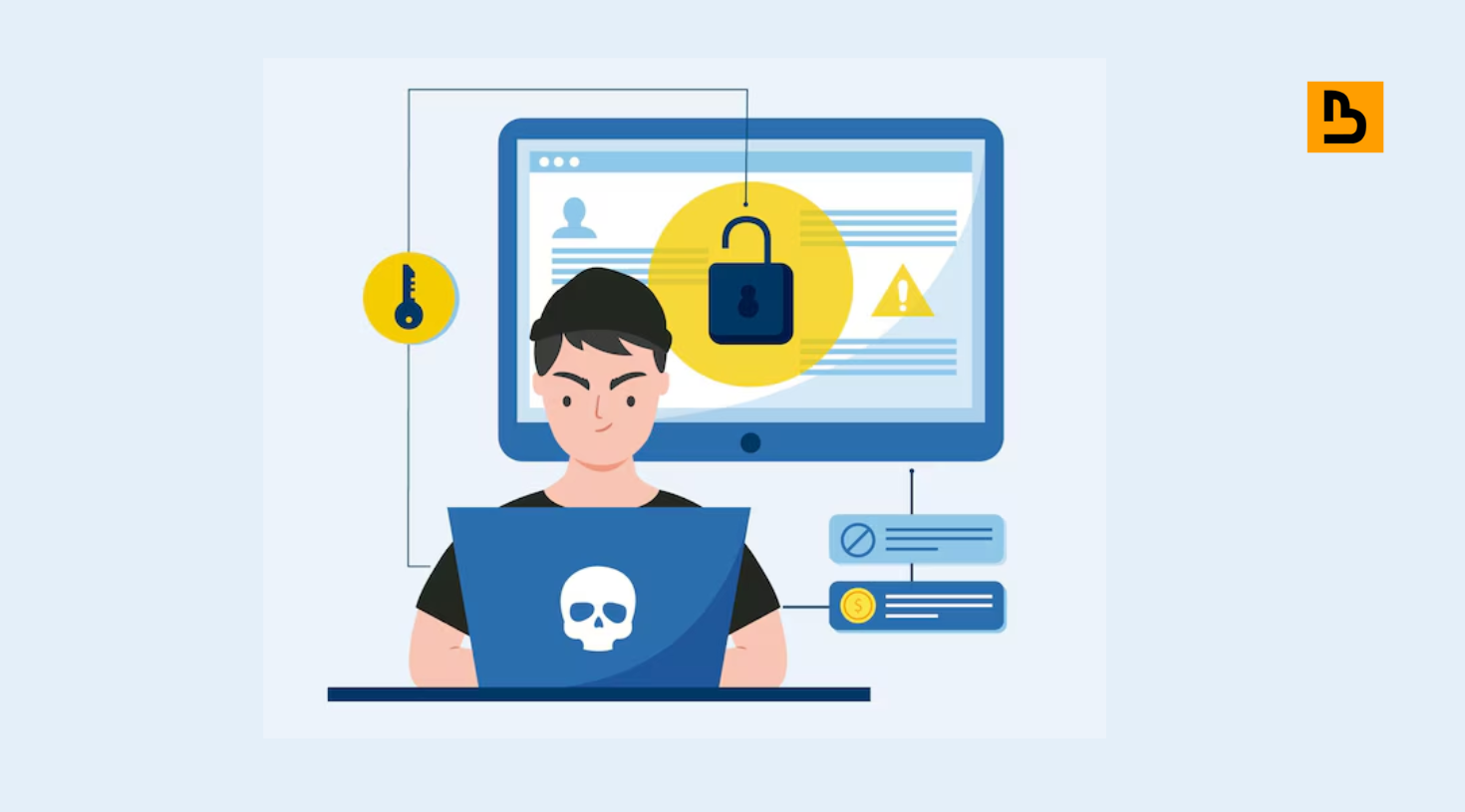
An Anti-Piracy Technology Platform is a digital system or service designed to detect, prevent, and combat the unauthorised distribution and copying of digital content.
This can range from movies, music, software, eBooks, to games and more.
These platforms work by continuously monitoring the internet for any signs of pirated content and then taking appropriate actions, which can include sending takedown notices, blocking access to the content, or even initiating legal actions against the culprits.
The primary goal of such platforms is to protect the intellectual property rights of content creators and ensure they receive the rightful revenue for their work.
Think of it as a digital security guard, always on the lookout to ensure that content isn’t being stolen or misused.
Benefits of Using Anti-Piracy Platforms
In the digital age, where content is easily accessible and shared, protecting intellectual property has become paramount.
Here are some of the key benefits of using Anti-Piracy Platforms:
- Revenue Protection: Every pirated copy of content represents a potential lost sale. By curbing piracy, creators and businesses can ensure they receive the revenue they rightfully deserve.
- Maintaining Brand Reputation: Pirated content can often be of lower quality, be tampered with, or contain malware. By preventing unauthorised distribution, creators and businesses can ensure that their audience receives the genuine, high-quality experience they intended.
- Legal Safeguard: Using an anti-piracy platform can serve as evidence that a content creator or business is actively trying to protect their intellectual property, which can be beneficial in legal disputes.
- Consumer Trust: Customers feel more secure knowing they are accessing or purchasing genuine content, free from potential threats like viruses or malware often found in pirated versions.
- Global Reach: Anti-piracy platforms monitor the internet on a global scale, ensuring content is protected not just in one region but across the world.
- Peace of Mind: Knowing that there’s a system in place actively working to detect and combat piracy gives content creators and businesses peace of mind, allowing them to focus on creating and distributing their work without constant worry.
- Supports Fair Play: By discouraging and combating piracy, these platforms promote a fair digital ecosystem where creators are rewarded for their efforts, and consumers get what they pay for.
- Adaptable to Evolving Threats: Many modern anti-piracy platforms use advanced technologies like AI and machine learning, allowing them to adapt and respond to the ever-evolving methods employed by pirates.
Suggested Reading: Benefits of anti-piracy protection
How Does Anti-Piracy Technology Work?
Anti-Piracy Technology is like the digital world’s detective, always on the lookout for any unauthorised use or distribution of content. Here’s a breakdown of how it operates:
- Digital Fingerprinting: Just as every human has a unique fingerprint, digital content can also have a unique identifier. Anti-piracy systems can create a “fingerprint” or a unique hash of the content. This allows the system to scan the internet and identify any copies or partial copies of the original content.
- Watermarking: Some anti-piracy solutions embed invisible watermarks into content. If the content is pirated, these watermarks can help trace back to the source of the leak, making it easier to take legal action if necessary.
- Web Crawling and Monitoring: Anti-piracy platforms use web crawlers to continuously scan websites, forums, and peer-to-peer networks for unauthorised content. When a match is found, the platform can take appropriate action.
- Real-time Protection: Some advanced platforms offer real-time protection, where they can detect and block unauthorised streams or downloads as they happen.
- Takedown Notices: Once pirated content is detected, the platform can automatically send takedown notices to the hosting website or service provider, demanding the removal of the infringing content.
- Geo-blocking: In situations where content is licensed for use only in specific regions, anti-piracy systems can block users from other regions from accessing it.
- Machine Learning and AI: Modern anti-piracy protection systems often incorporate artificial intelligence and machine learning. These technologies help the platform adapt to new piracy methods and improve detection accuracy over time.
- User Reporting: Some platforms also have a feature where users can report pirated content, adding an extra layer of surveillance.
- Legal Action: In cases of repeated infringement or large-scale piracy operations, the data gathered by the anti-piracy platform can be used to initiate legal proceedings against the culprits.
In a nutshell, anti-piracy technology works by combining various tools and techniques to monitor, detect, and combat unauthorised distribution of content.
It’s a continuous and evolving battle, but with the advancement of technology, these platforms are becoming more efficient and effective in safeguarding digital content.
Bytescare: Monitoring Online Piracy and Content Threats
In the 21st century, as the digital realm continues to expand at an unprecedented rate, online piracy has emerged as a formidable challenge.
This has become a pressing concern, especially for the entertainment and publishing industries.
Content creators and industry leaders are in dire need of effective solutions to combat this menace.
Enter Bytescare, a platform known for its digital piracy monitoring service.
Bytescare helps content owners act against the many forms of digital piracy.
Bytescare brings scanning, investigation and the takedown notices you approve together in one platform.
Scanning and Detection
Harnessing the power of AI, Bytescare monitors the web, including social media platforms and P2P networks, on your plan’s scan cycle.
This helps identify copies of your content wherever they are shared.
Digital Piracy Protection
Recognising the paramount importance of content security, especially for high-value content like video games and movies, Bytescare’s anti-piracy software and services are designed with this in mind.
Their anti-piracy efforts help creative industries safeguard their digital assets from non-legitimate sources.
Investigation and Notification
Upon detecting content leaks or unauthorised usage, this platform delves deeper, initiating a thorough investigation.
Stakeholders, from industry leaders to individual creators, are informed through the dashboard, so they can decide what action to take.
Takedown Notices
Bytescare files takedown notices for the pirated copies you approve with direct download sites and illegal streaming platforms; each site or platform decides on removal.
They also send delisting requests to search engines for the infringing links you approve, which helps keep pirated copies out of search results.
Reporting and Monitoring
Bytescare tracks each request it files.
Its dashboard shows the status of every request, keeping industries informed about potential threats to their content.
E-Commerce and Online Distribution Surveillance
In the bustling online distribution marketplace, piracy isn’t the only concern. Counterfeiting and unauthorised sellers are rampant.
Bytescare’s monitoring is especially useful for streaming services and video game distributors.
It empowers businesses, allowing them to protect their brand and manage their online reputation meticulously.
Anti-Piracy Strategy for the Modern Age
Bytescare provides an anti-piracy strategy tailored for the challenges of the modern digital realm.
From detection to takedown notices, their anti-piracy services help industries, from the creative industries to publishing, navigate the digital realm with more confidence in the safety of their valuable assets.
Their anti-piracy protection is a testament to their commitment to offering effective solutions to protect content from piracy.
In essence, as we navigate the challenges of the 21st century, Bytescare helps content creators and industries shield their intellectual and digital assets from the ever-evolving threats of piracy.
Nutshell
The world of anti-piracy technology platforms is vast and ever-evolving, becoming an essential technology in the digital landscape.
As we continue to advance in the digital age, with the surge in video on demand content and the ubiquity of social media sites, the need for such platforms becomes even more paramount.
Content theft, especially digital content leaks, poses a significant threat to creators.
These platforms ensure that their creations are safeguarded from unauthorised search listings and ensure proper content availability.
For creators, these anti-piracy measures serve as a beacon of hope, guaranteeing that their hard work doesn’t go unnoticed or unrewarded.
FAQs
What types of content can anti-piracy platforms protect?
From movies, music, eBooks, to software, almost any digital content can be safeguarded.
Are anti-piracy platforms 100% effective?
While they significantly reduce piracy, no system can guarantee complete eradication. It’s an ongoing battle.
How do these platforms detect pirated content?
They use various methods, including digital fingerprinting, watermarking, and AI-driven algorithms.
Can individuals use anti-piracy platforms?
Yes, many platforms cater to individual creators, ensuring their content remains protected.
What actions can be taken against pirates?
Actions range from sending warning notices to initiating legal proceedings against repeat offenders.